


Iboga: Sacred Plant of Gabon and Addiction Treatment
Discover iboga, a sacred plant from Gabon, and its use in the Bwiti ritual. Explore its therapeutic properties for treating addictions and its ancestral spiritual dimension.
12/19/2025
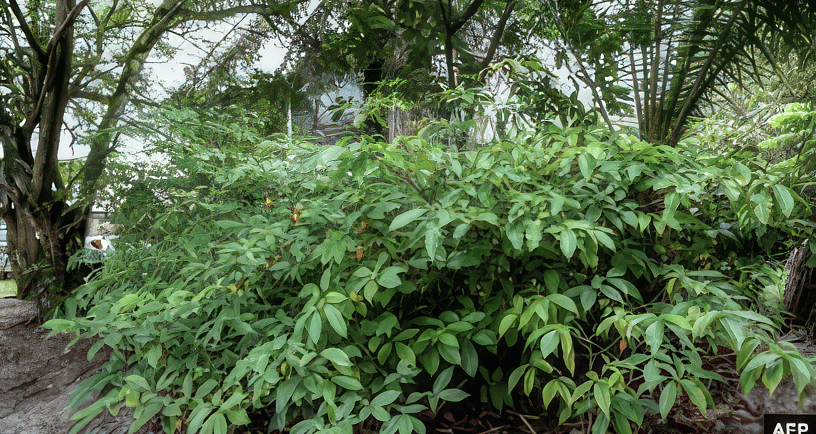
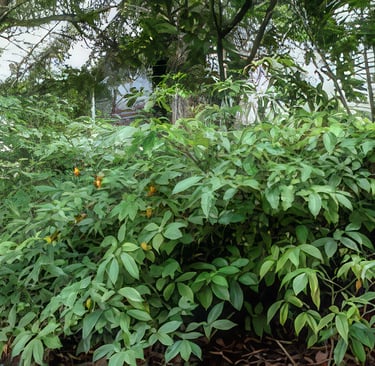
In the heart of the equatorial forests of Central Africa, a plant with extraordinary properties has held a central place for millennia in the spiritual and therapeutic traditions of the Gabonese people. Iboga, scientifically known as Tabernanthe iboga, is much more than a mere shrub: it is a bridge between the visible and invisible worlds, an ancestral remedy, and a symbol of cultural identity deeply rooted in the history of Gabon and its neighboring regions.
Origins and Botanical Description
Iboga is an evergreen shrub native to the tropical rainforests of Central Africa, particularly abundant in Gabon. Reaching up to two meters in height, this plant from the Apocynaceae family is distinguished by its small white or pink flowers and orange fruits resembling olives. However, its true power lies within its roots: they contain a significant concentration of alkaloids, including the famous ibogaine, which is responsible for its remarkable psychoactive effects.
For centuries, Pygmy peoples were likely the first to discover the properties of this plant before transmitting this knowledge to the Mitsogo, Apindji, and other Gabonese ethnic groups. This transmission of knowledge was accompanied by a profound respect for the plant, regarded as a gift from the ancestors and a direct link to the spiritual world.
The Bwiti Rite: A Millennial Tradition
Iboga is inseparable from Bwiti, an ancestral spiritual tradition practiced primarily in Gabon. Bwiti is not simply a religion, but a complex system of beliefs, rituals, and knowledge that structures the social and spiritual organization of many Gabonese communities. Recognized as an intangible cultural heritage, Bwiti uses Iboga as a central sacrament during initiation and healing ceremonies.
During the initiation, known as "the passage," novices ingest large quantities of pounded Iboga roots under the careful supervision of ngangas (spiritual guides). This ritual consumption induces an altered state of consciousness that can last for several hours, during which the initiate undertakes a profound inner journey. Practitioners describe intense visions, encounters with ancestors, and a direct connection with Bwiti, the founding spiritual entity of this tradition.
These ceremonies, accompanied by hypnotic polyphonic chants, ritual dances, and the sound of the ngombi musical bow, create an atmosphere conducive to spiritual transformation. The objective is manifold: to allow initiates to discover their true nature, receive teachings from the ancestors, heal from trauma, and find their place within the community.
The Mystical and Sacred Dimension
For Bwiti practitioners, Iboga is not a simple hallucinogenic substance, but a living being endowed with its own intelligence, capable of communicating with those who approach it with respect and pure intention. It is credited with the power to "put things back in order," reveal hidden truths, and allow individuals to see their lives with a new clarity.
This sacred plant is considered a demanding teacher that only reveals its secrets to those ready to face their inner shadows. Reported experiences often include detailed life reviews, profound insights into destructive behavioral patterns, and a sense of cosmic unity that transcends the individual ego.
Therapeutic and Medicinal Virtues
Beyond its spiritual use, Iboga possesses medicinal properties recognized for generations. Traditionally, small doses of the roots were used as a stimulant to combat fatigue during long hunts, increase physical endurance, and improve concentration.
However, it is in the treatment of addictions that ibogaine—the plant's primary alkaloid—has sparked major scientific interest since the 1960s. Research has shown that this substance possesses a unique ability to interrupt opioid withdrawal symptoms and drastically reduce the compulsive cravings associated with various dependencies, whether heroin, cocaine, alcohol, or prescription drugs.
The mechanism of action for ibogaine is complex and still partially understood, but it appears to act on several neurotransmitter systems simultaneously, allowing for a neurological "reset." Many patients who have undergone ibogaine treatments report not only a decrease in their physical symptoms but also a profound psychological transformation, along with a better understanding of the underlying causes of their addiction.
Research is also exploring its potential to treat depression, post-traumatic stress disorder (PTSD), and other psychological conditions. However, the use of ibogaine carries significant cardiac risks and requires strict medical supervision.
Between Tradition and Modernity
Today, Iboga stands at the crossroads between ancestral tradition and modern therapeutic interest. In Gabon, efforts are being made to protect this plant—threatened by overexploitation—and to preserve the cultural practices associated with it. Simultaneously, specialized clinics in several countries offer ibogaine treatments for people suffering from addictions, creating a fascinating dialogue between traditional knowledge and contemporary medicine.
Iboga reminds us that certain plants carry millennia of wisdom within them, and that their therapeutic potential can only be fully understood by respecting the cultural and spiritual context in which they have been used. This sacred plant continues to offer, to those who approach it with respect and humility, its profound teachings on the nature of consciousness, healing, and human transformation.